Home Tips of the Month from Bonny Lamb

Mr. Clean sponges are good for lots of things, including keeping white leather on your sneakers clean and the white rubber sole. If using on a wall, the sponge will affect the finish of the paint and it will be evident.
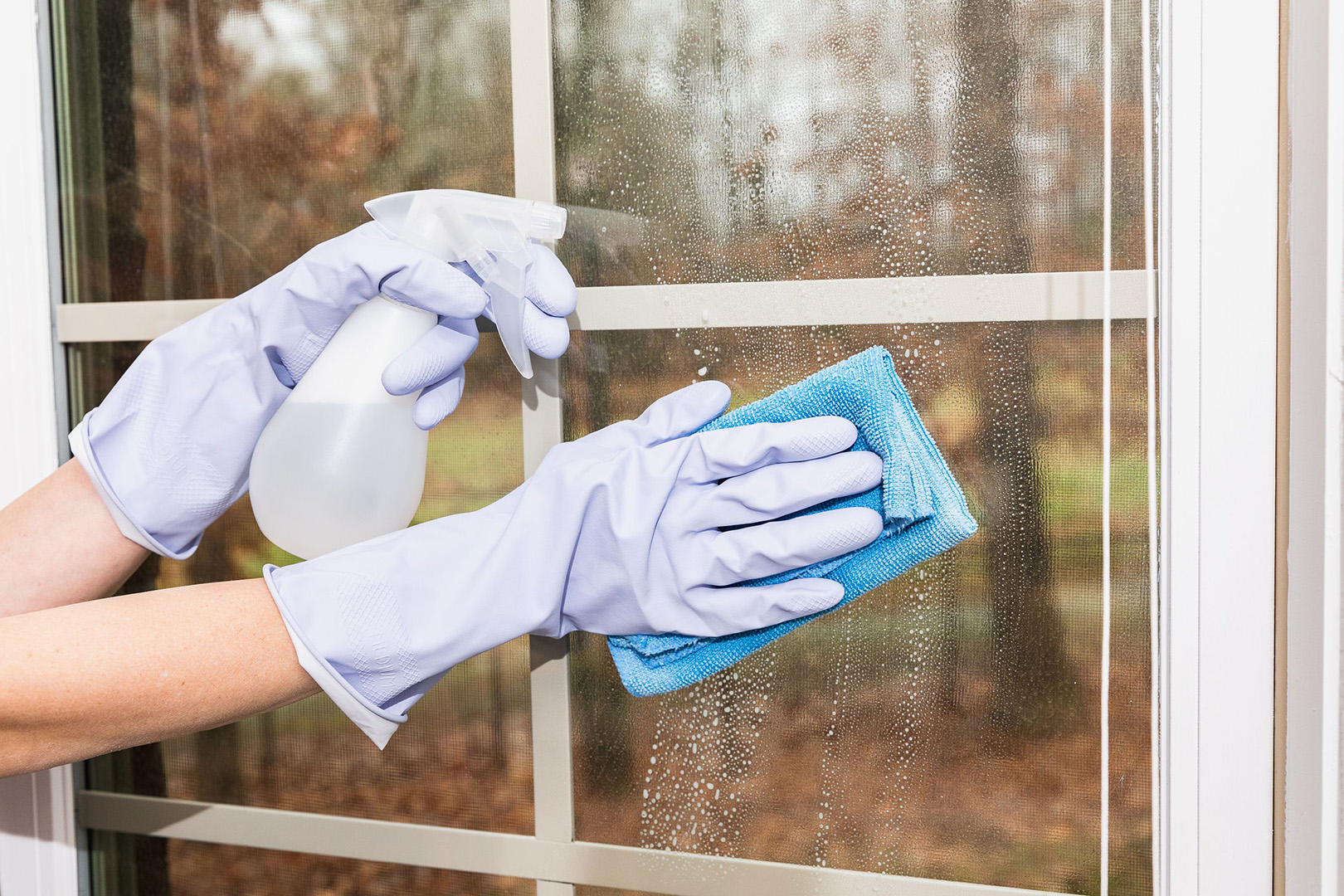
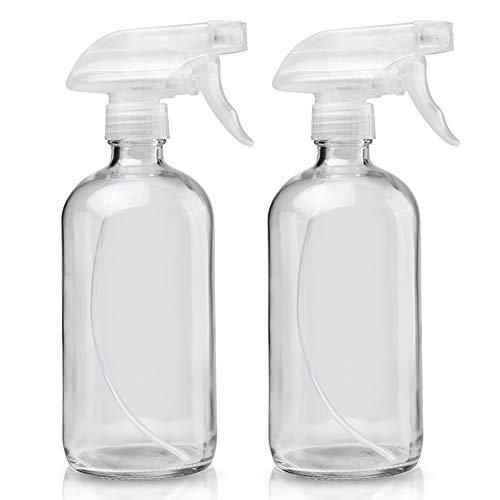
Window and mirror cleaners like Glass Wax and Windex leave a residue that keeps the surfaces from being sparkling clean. Professional window washers just use water. Water or adding a bit of vinegar in a spray bottle costs less and works better. A chamois cloth, like the pros use, eliminates streaks.

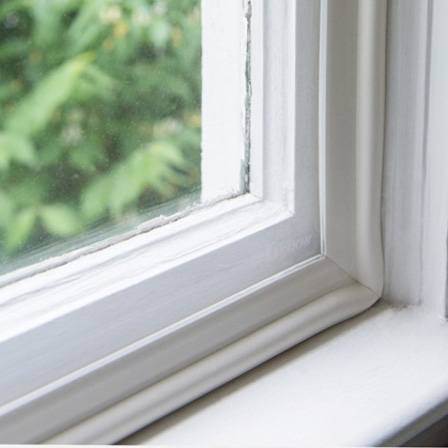
Thinking of painting your house for a sale? Think lighter (definitely for interior colors, too). Charcoal gray exteriors look unique, but the houses take longer to sell. Yellow is a happy color for the exterior and good feng shui. Dark brown exteriors take the longest to sell. (This pretty house was my listing, with multiple offers at deadline, at 200 Fayerweather Street in Cambridge. $3.2m)
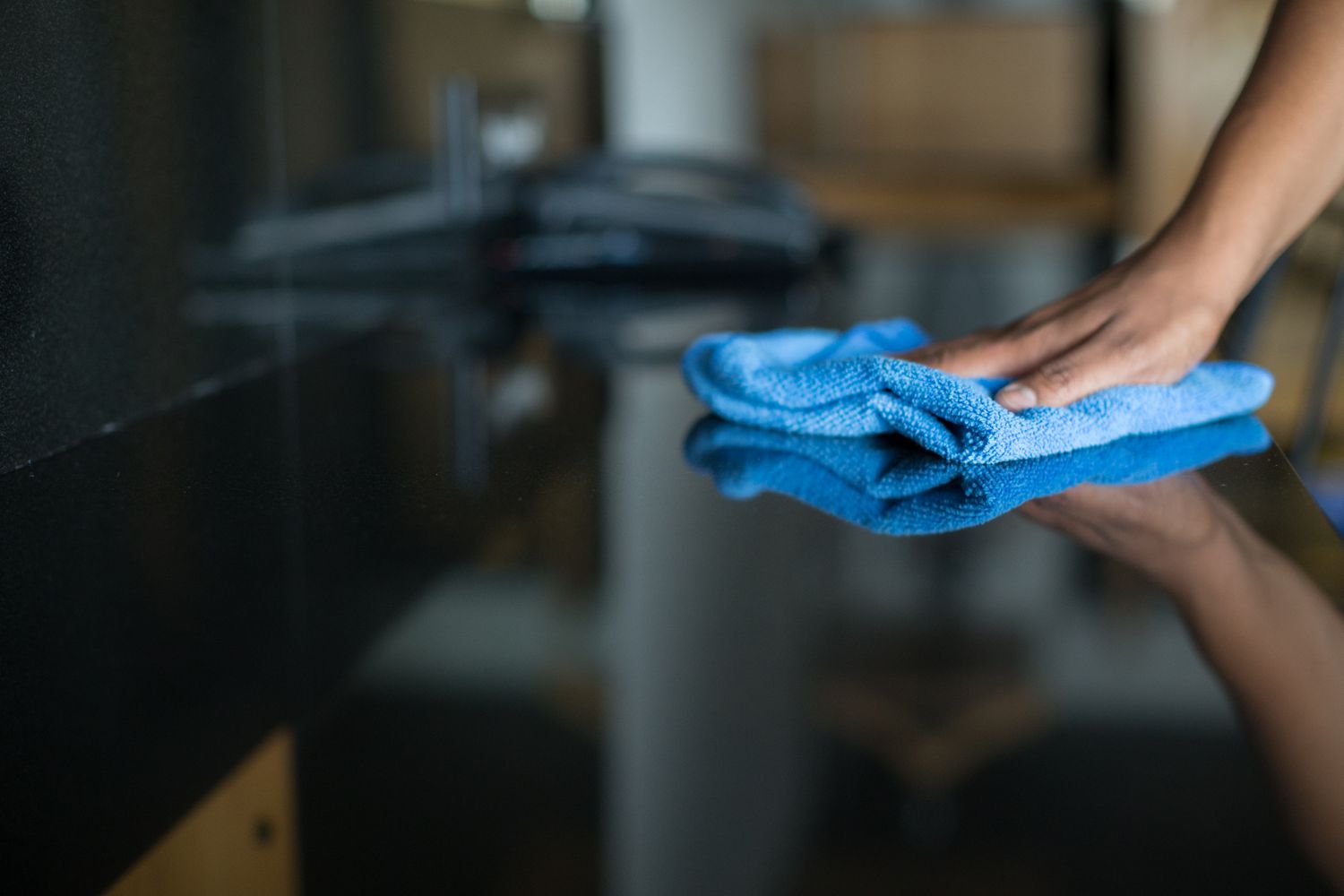
Microfibers are the latest concern for the environment. Not only do the bits flake and get into the water/sewer system, but the microfibers are ingested into the body, too. Bits come off from plastic bottles and Bounce sheets for the dryer. Google for details.
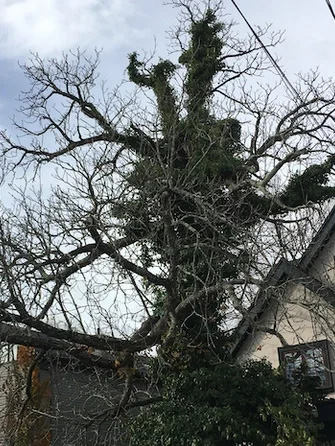
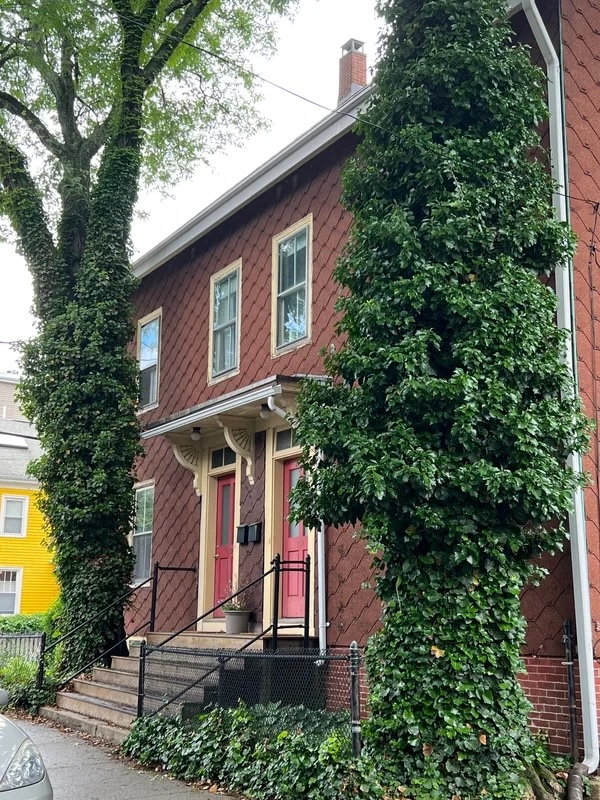
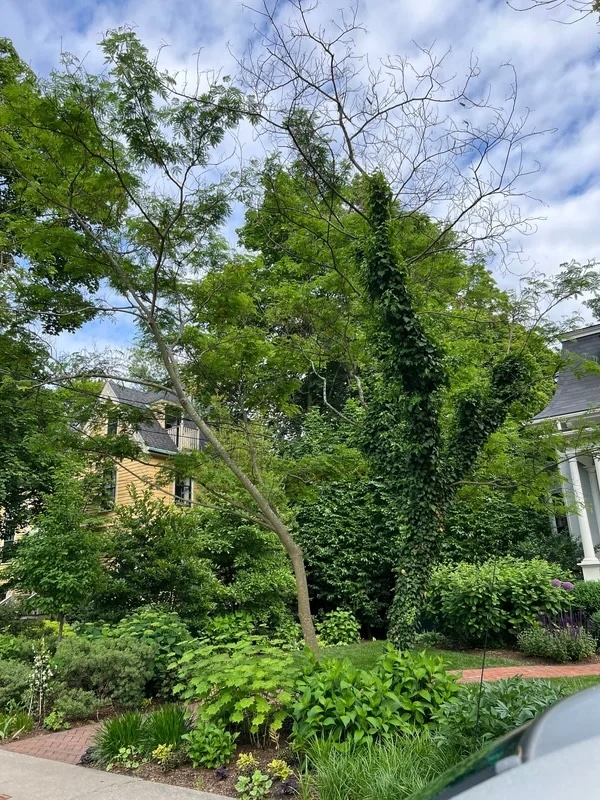
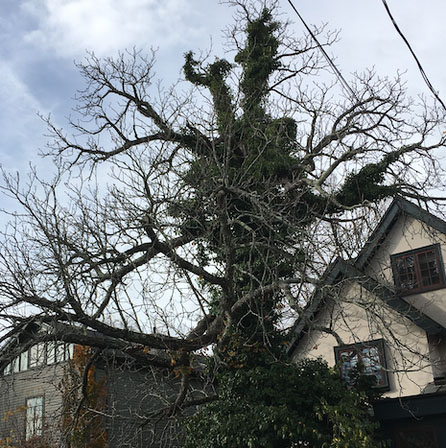
Cities are planting trees to absorb pollution. Locally, the problem is that the city and town landscaping departments aren’t aware that English Ivy, our local kudzu, is destroying more trees, most of them mature trees. The ivy strangles the trees and starves the trunks of rainwater. English Ivy is not the same ivy that we are used to seeing on college buildings, although the ivy somewhat resembles it as it grows stronger and the leaves grow larger as they climb the tree. On the ground, English Ivy usually has small, dull, dark green leaves, which tend to be shinier in the summer. For some reason, Harvard keeps planting it. When it grows on your trees, please pull the vines off the trees (might be necessary to saw the vines at the bottom if they’re thick) and pull the ivy out of the ground.